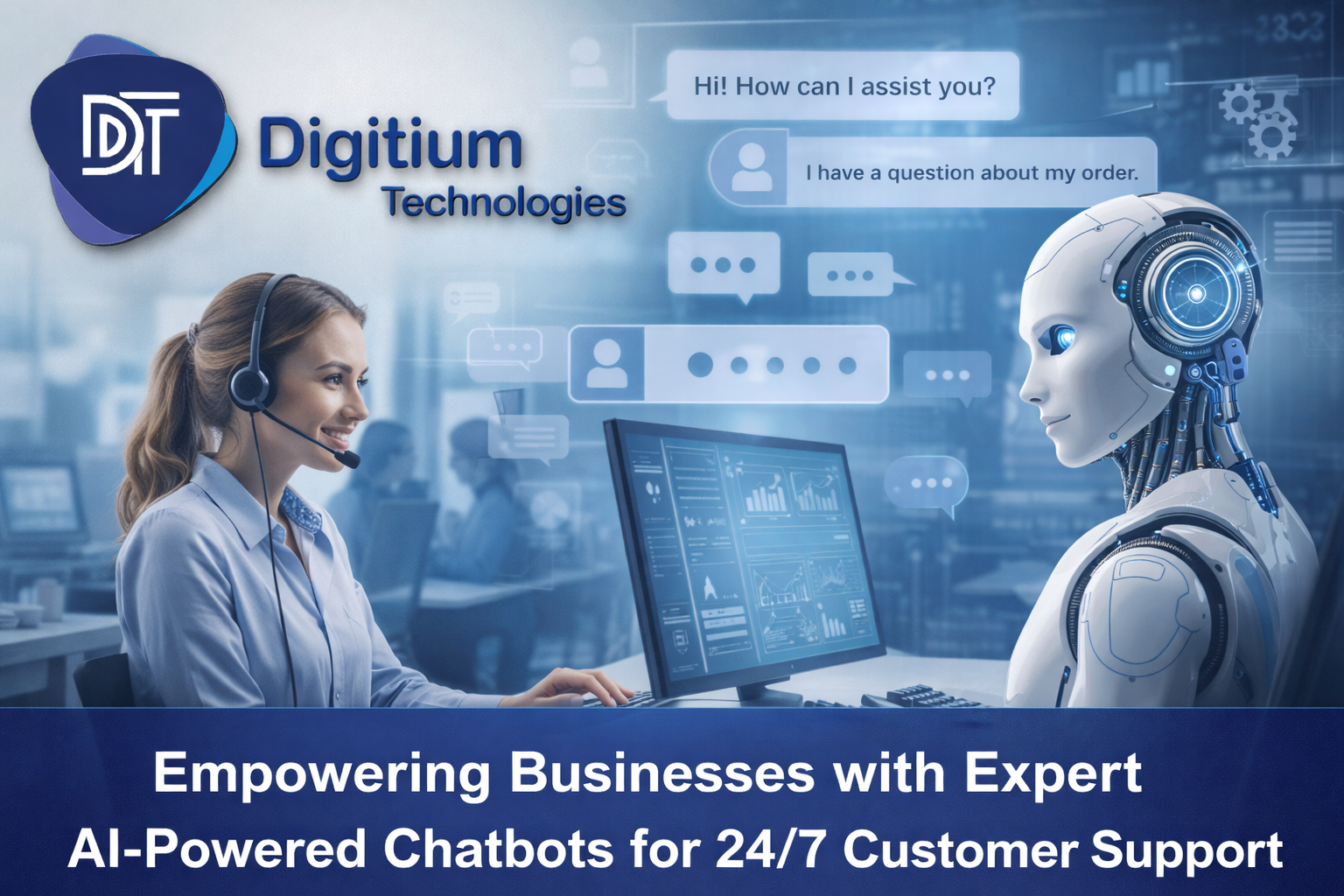
What Are AI-Powered Chatbots?
AI powered chatbots are advanced conversational tools that use artificial intelligence, natural language processing (NLP), and machine learning to understand and respond to user queries in real time. Unlike traditional rule-based chatbots, they can interpret intent, learn from past interactions, and continuously improve responses. This allows businesses to offer more human-like conversations across websites, mobile apps, messaging platforms, and social media channels.
By analyzing customer behavior and context, these chatbots can provide accurate answers, recommend products, resolve issues, and guide users through complex processes—all without human intervention.
Enhancing Customer Experience
One of the most significant advantages of AI powered chatbots is their ability to deliver instant, 24/7 customer support. Modern consumers expect quick responses, regardless of time zones or business hours. Chatbots eliminate wait times, reduce customer frustration, and ensure consistent service availability.
Additionally, AI-driven chatbots personalize interactions by remembering user preferences, purchase history, and previous conversations. This personalization improves customer satisfaction and builds long-term loyalty, as users feel understood and valued.
Driving Operational Efficiency
Businesses often struggle with high support volumes and repetitive customer inquiries. AI powered chatbots efficiently handle routine questions such as order status, appointment scheduling, password resets, and FAQs. By automating these tasks, companies can significantly reduce operational costs and free up human agents to focus on complex, high-value interactions.
This automation also improves internal workflows. Chatbots can assist employees by providing instant access to information, onboarding guidance, and IT support, leading to increased productivity across departments.
Boosting Sales and Lead Generation
Beyond customer support, AI powered chatbots play a crucial role in sales and marketing. They engage website visitors proactively, qualify leads, and guide prospects through the sales funnel. By asking the right questions and offering relevant solutions, chatbots help convert casual visitors into paying customers.
Integrated with CRM and analytics tools, chatbots collect valuable customer data and insights. This data helps businesses refine marketing strategies, identify trends, and make informed decisions to improve conversion rates and revenue growth.
Seamless Omnichannel Presence
Modern customers interact with brands across multiple platforms, including websites, mobile apps, WhatsApp, Facebook Messenger, and other messaging services. AI powered chatbots ensure a consistent brand voice and experience across all these channels. Customers can start a conversation on one platform and continue it on another without losing context.
This seamless omnichannel presence strengthens brand credibility and improves engagement, ensuring customers receive the same quality of service wherever they choose to interact.
Scalability and Future Readiness
As businesses grow, customer interaction volumes increase. Hiring and training additional support staff can be expensive and time-consuming. AI powered chatbots offer unmatched scalability, handling thousands of conversations simultaneously without performance issues.
Furthermore, as AI technology continues to evolve, chatbots will become even more intelligent, incorporating voice recognition, emotional analysis, and predictive responses. Organizations that adopt chatbot solutions today position themselves for future innovation and long-term competitiveness.
Conclusion
AI powered chatbots are no longer a futuristic concept—they are a practical, powerful tool that delivers measurable business value. By enhancing customer experience, improving operational efficiency, driving sales, and enabling scalable growth, these intelligent assistants are transforming how businesses operate in the digital age. Companies that invest in chatbot technology today are not just improving customer interactions; they are building smarter, more resilient, and future-ready organizations.