According to recent industry reports, companies are investing more in automation solutions that combine AI with workflow tools. The global robotic process automation market, which includes many AI Workflow Automation solutions, is projected to grow rapidly over the next decade as enterprises adopt smarter, AI-driven operating models.
What Businesses Are Doing with AI Workflow Automation
One big trend in 2025 is the combination of AI capabilities with workflow systems that can automatically trigger actions, make decisions, and optimize processes. A McKinsey survey on the state of AI shows that businesses using AI strategically — including through workflow automation — report higher value from these technologies.
For example, large organizations like JPMorgan Chase are using AI to streamline banking operations, reduce servicing costs, and free employees to work on creative and strategic tasks. AI systems help process client interactions, analyze data, and automate routine steps, showing how AI Workflow Automation adds measurable efficiency to complex operations.
In retail and service industries, platforms that integrate AI agents into daily work tools are gaining traction. Open-source automation platforms now include AI features that monitor workflows and suggest improvements, cutting manual work and reducing errors in tasks like data syncing or customer follow-ups.
Real User Experiences
Real users often share how AI Workflow Automation has changed their work routines. Teams using tools like AI-enhanced CRM automation note they no longer update records by hand — the system logs customer interactions and triggers next steps automatically, saving hours every week. Developers also use automation to test and log code outcomes, freeing up time previously spent on repetitive debugging tasks.
Employees in HR departments report significant improvements when AI handles resume parsing and interview scheduling. By automating these workflows, HR professionals can spend time on candidate engagement rather than repetitive data entry. Finance teams have seen similar benefits when AI tools automatically extract invoice details and feed them into accounting systems.
Benefits and Industry Trends
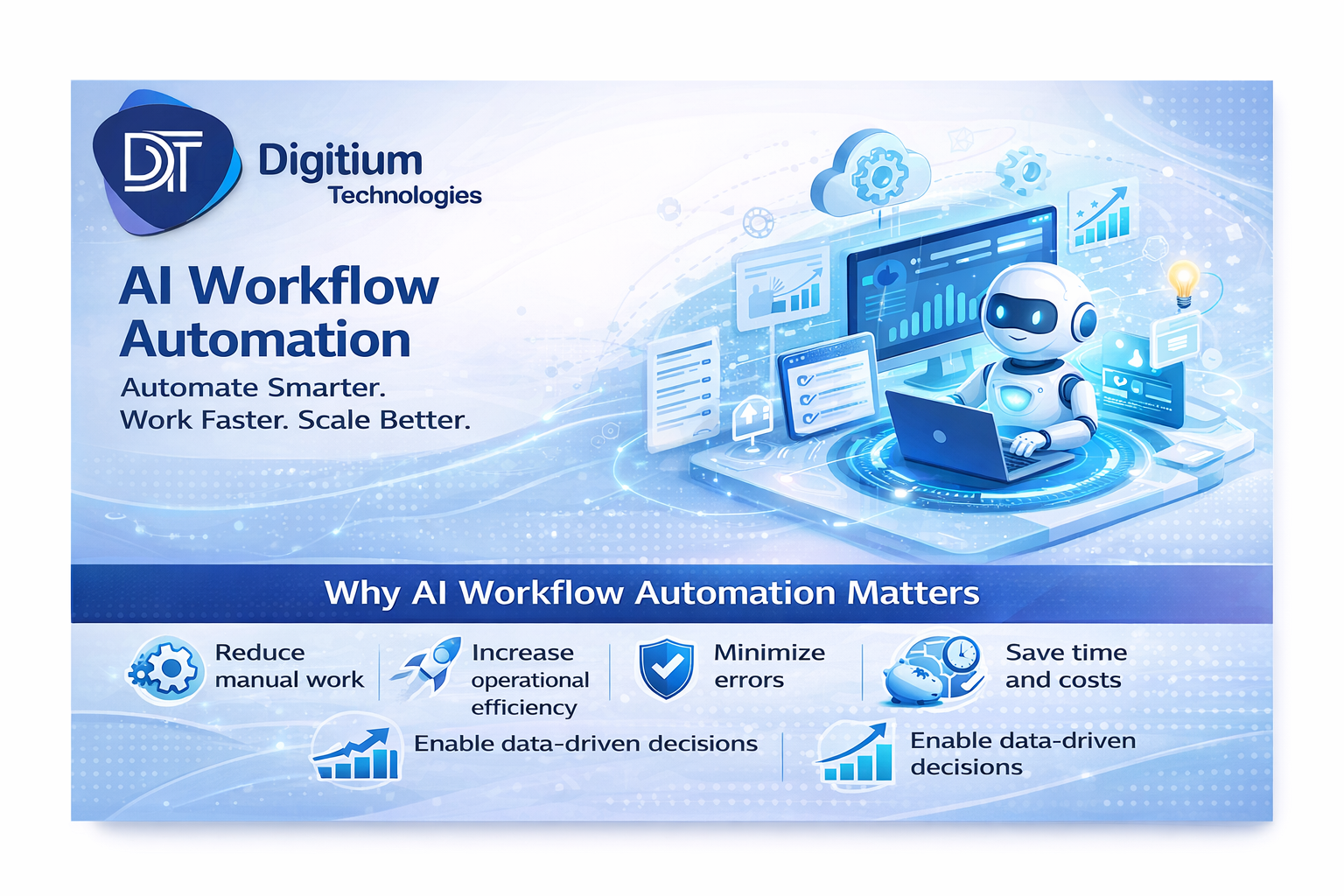
One major benefit of AI Workflow Automation is that it reduces manual work while increasing operational efficiency. Many companies report up to 40 % gains in productivity when automation replaces repetitive tasks, allowing staff to focus on strategic activities.
Another trend is the rise of “hyperautomation,” where AI, data analysis, and automation tools work together in end-to-end workflows that adjust in real time. This means businesses can respond faster to changes, handle exceptions automatically, and use workflow data to improve decisions continually.
Looking Ahead
As AI Workflow Automation continues to mature, it will increasingly become part of everyday business systems — from finance and HR to customer service and IT operations. Companies that adopt these solutions early can improve productivity, reduce costs, and build more resilient processes. With ongoing developments and real user successes emerging daily, this trend is clearly shaping the future of work.