What Is AI FOR ENTERPRISE?
AI FOR ENTERPRISE refers to the use of artificial intelligence technologies within organizations to automate processes, analyze data, and support decision-making. Unlike basic automation, enterprise AI systems can learn from data, adapt to changing conditions, and improve over time.
Businesses use AI for tasks such as:
• Data analysis and forecasting
• Customer service automation
• Process optimization
• Fraud detection and risk management
These capabilities allow companies to move from manual operations to intelligent systems that deliver faster and more accurate results.
Growing Adoption of AI in Enterprises
The adoption of AI FOR ENTERPRISE is increasing across industries. Reports show that AI usage is expanding beyond small pilot projects into full-scale business operations.
For example, enterprise AI usage has grown significantly, with companies integrating AI into workflows and increasing usage intensity across departments.
Additionally, studies indicate that around 78% of enterprises have adopted AI, with many reporting productivity improvements of up to 26–55%.
Recent news also highlights that enterprise AI is moving from experimental tools to “digital coworkers” embedded in everyday business processes.
This shift shows that AI FOR ENTERPRISE is no longer optional—it is becoming a standard business requirement.
Real Industry Example
Many global companies are already using AI FOR ENTERPRISE to improve operations and deliver better services.
For instance, IT companies are launching AI innovation centers to help businesses build and test intelligent solutions.
Software companies like ServiceNow are also transforming their business models by integrating AI into their platforms, offering smarter automation and workflow management tools.
These real-world examples demonstrate how enterprises are using AI not just for efficiency but also for innovation and growth.
Real User Experiences
Employees and professionals working with AI FOR ENTERPRISE tools report noticeable improvements in their daily work.
According to research, workers using AI tools can save 40–60 minutes per day by automating repetitive tasks and improving productivity.
Developers using AI-assisted coding tools have also experienced faster development cycles and increased output. Studies show significant improvements in code production and efficiency when AI tools are integrated into workflows.
However, some users also mention challenges such as learning how to use AI tools effectively and integrating them into existing systems.
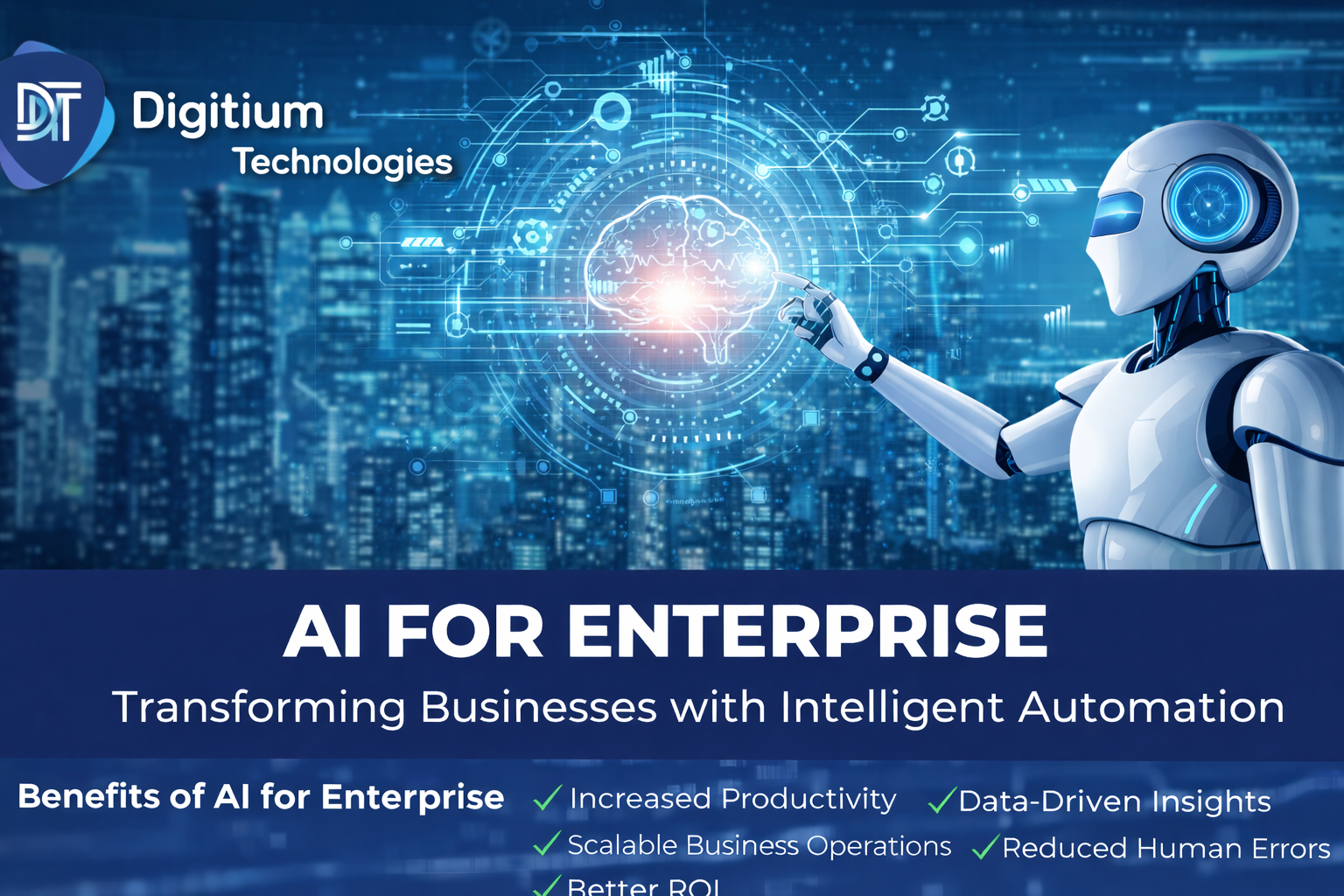
Benefits of AI FOR ENTERPRISE
Businesses investing in AI FOR ENTERPRISE gain several advantages:
1. Increased Productivity
AI automates repetitive tasks, allowing employees to focus on higher-value work.
2. Better Decision-Making
AI analyzes large datasets quickly, helping businesses make data-driven decisions.
3. Cost Reduction
Automation reduces operational costs and minimizes errors.
4. Improved Customer Experience
AI-powered chatbots and personalization tools enhance customer engagement.
5. Scalability
AI systems can handle large volumes of data and operations without increasing costs significantly.
Challenges and Future Outlook
Despite its benefits, implementing AI FOR ENTERPRISE is not always easy. Reports show that many companies struggle with integration, employee training, and achieving measurable ROI.
Some studies indicate that a significant percentage of AI projects fail due to poor implementation strategies and lack of alignment with business goals.
However, experts believe that the future of AI FOR ENTERPRISE is very promising. As technology improves and organizations gain more experience, AI will become more reliable, scalable, and easier to use.
Conclusion
AI FOR ENTERPRISE is transforming how businesses operate by enabling smarter decision-making, automation, and innovation. With growing adoption across industries and real-world success stories, AI is becoming a key driver of business growth.
Companies that invest in the right AI strategies and focus on practical implementation will gain a competitive advantage in the digital economy. As enterprise AI continues to evolve, it will play an even bigger role in shaping the future of work and business success.